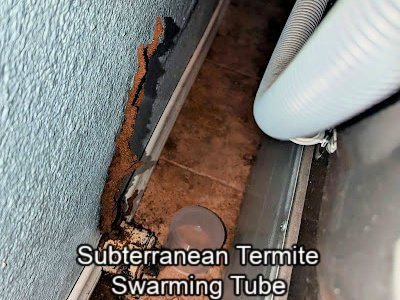
 We’re entering subterranean termite swarming season. In California, this usually occurs in the spring after warm weather and rain. Hopefully it won’t happen to you, but sometime in the next few months subterranean termites may swarm.
The worst place for that to happen is inside your home. Not because the swarmers will successfully start a colony indoors—they need soil for that—but because of where they likely came from.
If your home has a raised foundation, the termites may have originated in the crawl space and traveled inside through floor boards or small openings. In homes built on slab foundations, subterranean termites can construct swarming tubes that extend from the soil through cracks in the slab. Whether your home is built on a raised foundation or a slab, subterranean termites can still make their way inside.
How to Tell the Difference Between Subterranean and Drywood Termites
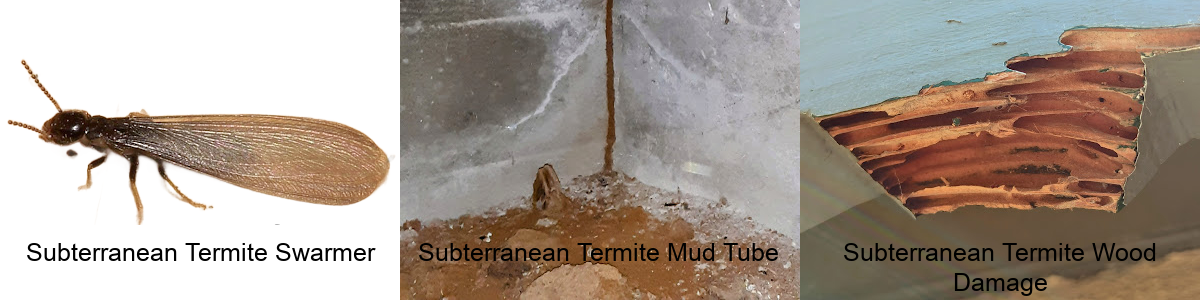
Subterranean and drywood termite swarmers look very similar. Both are about ¼ inch long, with dark bodies, straight antennae, and two pairs of wings of equal length. Their waists are broad, unlike the narrow waist of swarming ants.
The easiest way to tell them apart is the timing of the swarm. Subterranean termites swarm in the spring and have dark heads that match their bodies. Drywood termites swarm in the fall and have reddish heads.
Mud tubes are one of the clearest signs of subterranean termite activity. These pencil-sized tubes are made from soil and termite droppings and may run up foundations, along framing members, or across piers in a crawl space. In some cases, they even hang from floor joists down to the soil below.
Subterranean termite damage is also distinctive. Their feeding usually follows the grain of the wood, leaving channelized galleries filled with dirt and droppings. Drywood termite damage, by contrast, is typically clean and smooth. When mud tubes aren’t present, subterranean termite damage can sometimes be mistaken for wood rot.
Treatment Options for Subterranean Termites
The traditional treatment for subterranean termites is a soil treatment. These treatments are often most effective in crawl spaces because more soil can be treated. In homes with slab foundations, treatment is usually limited to the perimeter of the home, and pavement can sometimes limit where drilling can be done.
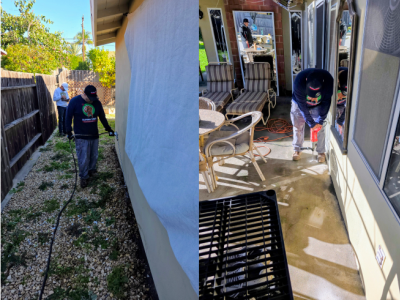 Soil treatments work because the chemical adheres to termites as they travel through treated soil. Subterranean termites are social insects that feed and groom each other, so the termiticide spreads throughout the colony. Only a small amount is needed to be lethal.
Bait stations have become popular with larger companies because they generate recurring service fees. Stations are installed around the home and must first be discovered by foraging termites before they can be effective. Soil treatments, by comparison, involve a one-time cost and can remain effective for many years.
Some termite professionals prefer a more targeted approach. Treating infested wood with a fipronil-based product, followed by a borate treatment on exposed wood, can sometimes eliminate a colony. Worker termites constantly travel between their colony and their food source, and when they consume treated wood they can carry the termiticide back with them.
Why Subterranean Termites Often Go Undetected
Subterranean termites often go unnoticed because they stay hidden. Unlike drywood termites, they don’t push their droppings out of their galleries. They typically infest wood inside walls or beneath homes, where homeowners rarely look.
Unless termites swarm or build mud tubes along a foundation or baseboard, many infestations aren’t discovered until a wall is opened during a remodel. Most homeowners aren’t going to crawl through their crawl space from one end to the other looking for termite activity.
This is why professional inspections matter. A good inspector looks beyond the obvious and checks the areas most homeowners never see—crawl spaces, attics, garages, and other hidden structural areas where termites are most likely to be active.
What To Do If You See Swarming Termites in Your Home
If you see termites swarming inside your home, it doesn’t necessarily mean they are starting a colony indoors. However, it does mean there is likely an active colony nearby.
The best step is to schedule a professional inspection as soon as possible to determine where the termites originated and whether treatment is necessary.
A Word About Fumigation
Fumigation does not solve subterranean termite problems. It only kills the termites inside the structure at the time of treatment and does not reach the colony in the soil. It also leaves no residual protection, meaning termites can quickly return once the gas dissipates.
Some companies also promote preventative treatments based on conditions that attract subterranean termites, such as flower beds against the home or wood in contact with soil. While preventative treatments can have value in certain situations, they should be carefully considered.
The Value of an Honest Inspection
The most important protection a homeowner can have is a thorough annual termite inspection. Subterranean termites are far easier—and far less expensive—to deal with when they’re discovered early.
A good termite company should show you exactly what they find, explain the conditions that may be attracting termites, and help you decide whether treatment is truly necessary. Sometimes treatment is needed immediately. Other times the best approach is simply monitoring the situation and correcting moisture or structural conditions that make termite activity more likely.
Responsible homeowners understand that an ounce of prevention is worth a pound of treatment. Regular inspections and early detection remain the best way to protect your home from subterranean termite damage.