subterranean termites

termite inspections

Communication in the Termite Industry

Communication in the Termite Industry A termite inspection isn’t just about identifying termites and other wood-destroying organisms—it’s also about clear communication between the inspector and the termite technicians who will complete the treatment. Inspectors use two key tools to relay information: graphs and chalk marks. Graphs: Mapping the Infestation Graphs, created on paper or a […]

Communication in the Termite Industry Read More »

termite issues

10 Items a Termite Inspector Would Consider When Buying a Home

10 Items a Termite Inspector Considers When Buying a Home Termite inspectors have seen it all—thousands of homes with various pest-related challenges. With that experience comes a unique perspective, one that’s impossible to leave behind when purchasing a home. Here’s what a termite inspector might focus on: 1. Twin Homes Connected homes present a fumigation

10 Items a Termite Inspector Would Consider When Buying a Home Read More »

San Diego Fumigation

When You Should Fumigate – And When You Might Not Need To

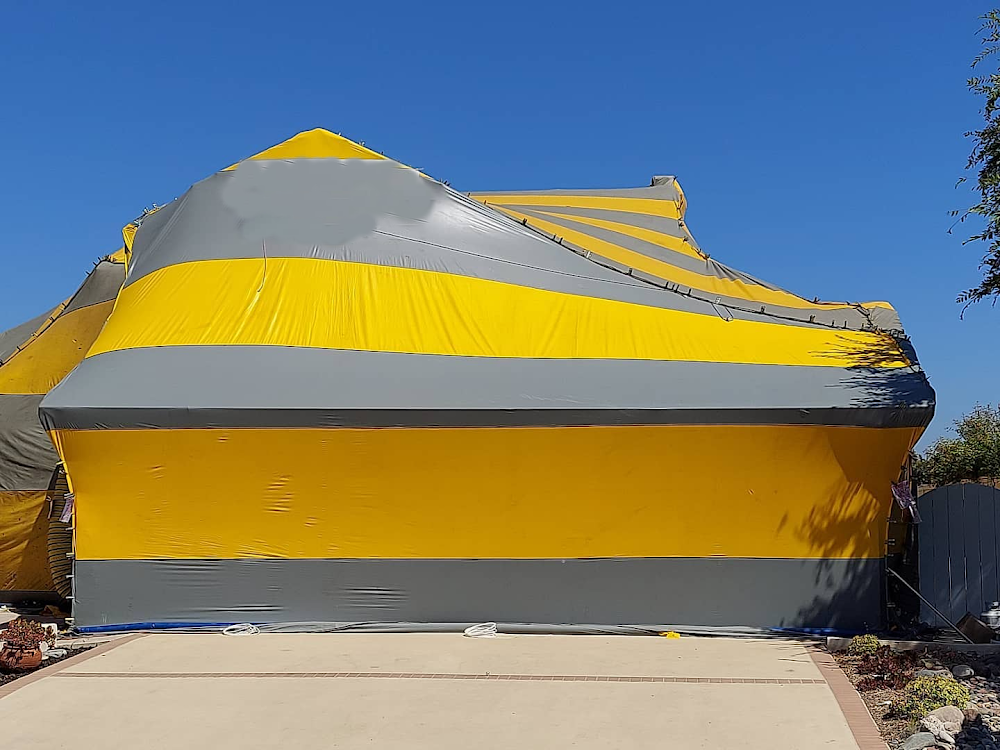
When You Should Fumigate – and When You Might Not Need To One of the most common questions we hear during termite inspections is: Do we need to fumigate (tent) our home? The answer depends on your unique situation, but these guidelines can help you decide. When You Should Fumigate: Swarming Drywood Termites Originating from

When You Should Fumigate – And When You Might Not Need To Read More »

drywood termite control

Termite Swarming, What You Should Know

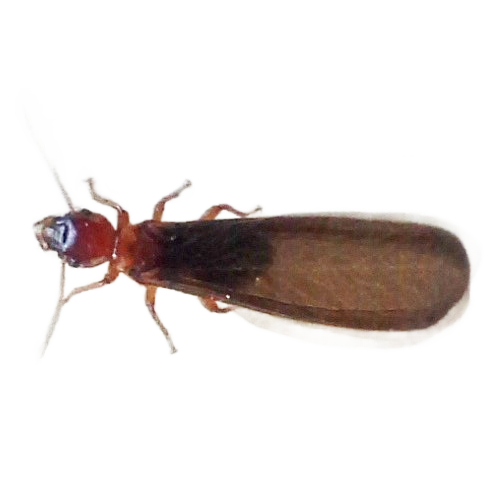
Termite Swarming: What You Should Know San Diego is home to two primary types of termites: drywood and subterranean termites, both of which spread through swarming. Here’s a breakdown of their behavior and what it means for you: Subterranean Termites Swarming Season: Spring Swarming Behavior: On warm, wet days, 50–100 flying termites leave their colony,

Termite Swarming, What You Should Know Read More »

termite control

Integrated Pest Management for Termite Control

Integrated Pest Management for Termite Control Integrated Pest Management (IPM) is an effective and environmentally sensitive approach to pest control that combines multiple strategies to manage pests sustainably. Rather than relying solely on chemical pesticides, IPM integrates biological, cultural, mechanical, and chemical controls to minimize risks to human health, beneficial organisms, and the environment. Integrated

Integrated Pest Management for Termite Control Read More »

wood rot conditions conducive

11 Conditions that Could Lead to Termites & Wood Rot

11 Conditions that Could Lead to Termites and Wood Rot: Termites thrive in specific conditions, and moisture is a primary factor. Drywood termites live inside wood, but they cannot survive without some level of moisture—similar to how human civilizations often form around water sources. Below are key conditions that can attract termites and how to

11 Conditions that Could Lead to Termites & Wood Rot Read More »

Termite Control

19 Termite Treatment Obstacles

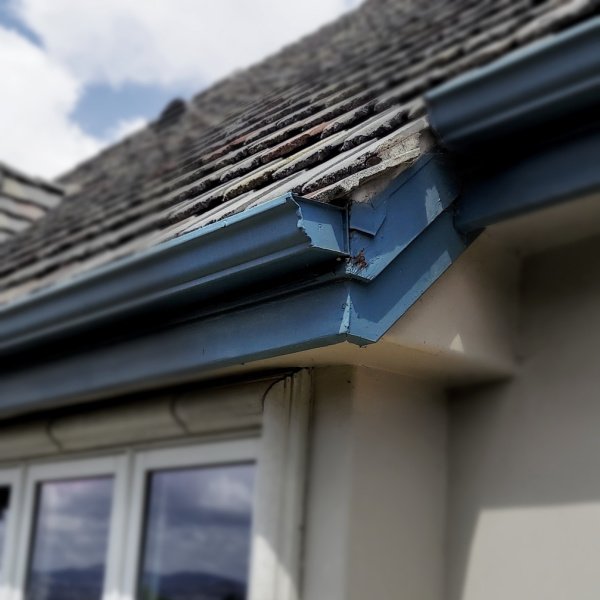
19 Termite Treatment Obstacles: When conducting a termite inspection, it is crucial to consider various challenges that might affect the choice of treatment for eliminating termites in a home. Below are some common obstacles and considerations: Fragile Tile Roofs Clay Tile Issues: Clay tile roofs, especially double-stacked tile, are prone to damage during fumigation. Walking

19 Termite Treatment Obstacles Read More »