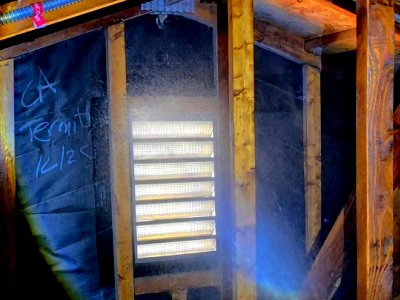
 Borate Treatments
Other than building a home with steel framing, or replacing a wooden pergola with an aluminum one, borate is one of the most effective ways to prevent termites from destroying wood.
Drywood termites spread by swarming. Flying males and females leave an established colony, land, shed their wings, and search for exposed wood where they can mate and begin a new colony. Most never succeed because suitable wood is surprisingly hard to find.
An attic, however, is a different story. If a swarm reaches the attic, it’s like relocating from a crowded San Diego beach community to Temecula—suddenly there’s available housing in every direction. Nearly every piece of wood in an attic is unfinished and ready to be explored.
What those opportunistic termites don’t realize is that the wood may have been treated with borate. When termites consume borate-treated wood, the borate kills the protozoa in their digestive system. Without those microorganisms, termites can no longer digest wood. The newlyweds may think they’ve found the perfect home, but their new home contains no usable food. Before long, the colony dies of starvation.
Borate is derived from the naturally occurring mineral boron. Because it remains stable in dry, protected areas such as attics, a properly applied borate treatment can remain effective for decades—and potentially for the life of the wood.
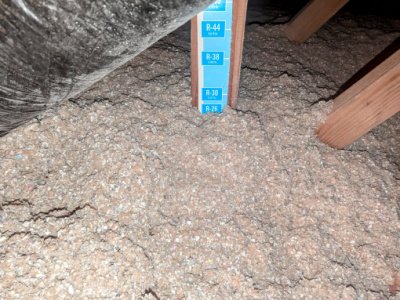 TAP Insulation
TAP stands for thermal, acoustical, pest control. It’s a blown-in insulation that is infused with borate. The borates are added primarily to make the insulation non-flammable, but they also make TAP insulation another line of defense against termites.
TAP can be particularly useful for protecting the lower rafters. Typically, when borating an attic, you don’t want to spray the lower wood because of the risk of staining the ceiling below. But if that framing is covered with TAP insulation, termite swarmers that land on the insulation can be exposed to the borate. The borate can dehydrate them, causing them to perish.
The downside of TAP is that it can be quite messy. Anyone who enters the attic can come out with insulation attached to their clothes and body.
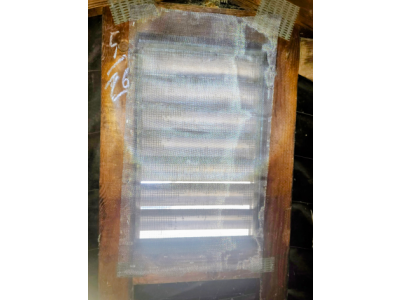 Vent Screens
Some older attic vents are screened with ¼-inch mesh. While this larger screen is effective at keeping rodents out, it’s large enough for drywood termite swarmers to squeeze through.
This matters because once termite swarmers enter the attic, they have access to exposed, unpainted wood. Since drywood termites can establish a colony anywhere they land on untreated wood, attics are especially vulnerable. To make matters worse, most homeowners rarely venture into their attics, allowing termites to go unnoticed for years. By the time the damage is discovered, the infestation may be so widespread that fumigation becomes the only practical treatment option.
Modern California fire codes require smaller vent screening to help prevent wind-blown embers from entering the attic during a wildfire. Replacing older ¼-inch mesh with ⅛-inch or 1/16-inch mesh not only helps reduce the risk of drywood termite infestations but may also bring your home closer to current fire safety standards.
 Termite Warranties
A full-structure termite warranty that includes an annual inspection, any necessary local treatments, and customer call backs may not prevent a termite infestation, but it can help catch one before it becomes a major problem. Discovering termites early can prevent costly wood damage and may even eliminate the need to fumigate your home.
Regular inspections do more than look for termites. They can also uncover rodent activity in the attic, plumbing leaks in the crawlspace, wood decay, or other conditions that could lead to expensive repairs if left unnoticed.
Very few homeowners will climb into their attic and inspect every corner. Even fewer are willing to crawl beneath their homes to examine the subarea. But that’s exactly what termite inspectors do every day.
When you consider the peace of mind, early detection, and potential savings on repairs, a termite warranty may provide more value than almost any other home protection service.
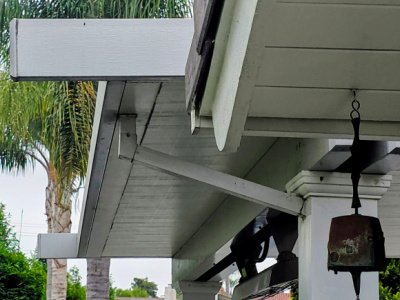 Aluminum
The only thing that enjoys your wooden pergola more than you do is termites and fungus. Because pergolas and some patio covers have little to no roof pitch, moisture can collect on the wood and remain there long after a rain or heavy morning dew. Over time, that excess moisture creates ideal conditions for both fungal decay and termite activity.
After years of treating, repairing or replacing termite- and fungus-damaged wood, many homeowners choose to replace their wooden pergolas with aluminum alternatives. Early aluminum pergolas often looked artificial, but today’s versions feature realistic wood-grain finishes that closely resemble natural wood—without the ongoing risk of termites, rot, or the maintenance that wood requires.